
Russian pranksters dupe OpenAI security leads into candid talk about military AI
Russian comedy duo Vovan and Lexus posed as a Ukrainian intelligence chief and lured three senior OpenAI national security staffers into a surprisingly frank video call. Topics included AI help for Ukraine, offensive military use and contacts at the Pentagon. The recording is now online.
What's going on
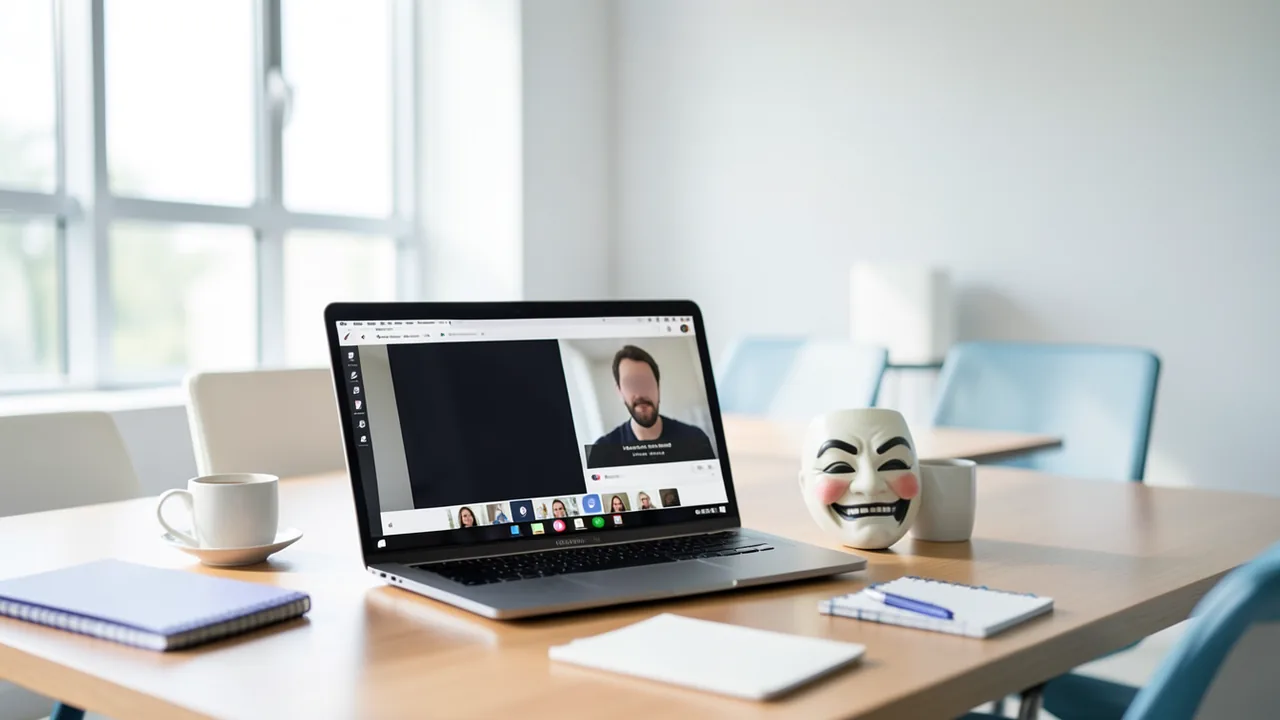
A prank with real political weight: Russian internet comedy duo Vovan and Lexus got three of OpenAI's most senior military and national security experts into a candid video call. The pair posed as representatives of the Ukrainian government. The incident came to light in a November 11, 2026, report by the US investigative outlet The Intercept. The pranksters themselves uploaded a recording of the 17-minute call to the video platform Rumble.
On OpenAI's side were:
- Sasha Baker, who leads national security policy at OpenAI,
- Caroline Zier, responsible for strategic initiatives,
- Ben Crampton, who leads the company's work on European security issues.
All three have extensive government experience. Baker and Zier held senior posts at the US Department of Defense, and Crampton worked for the European Union and the United Nations. Backgrounds like these should, in theory, make people wary of unexpected contacts.
Who Vovan and Lexus are
The duo has been pulling phone pranks on celebrities since 2011. According to The Intercept, past targets include Elton John and the late US Senator John McCain. Their pranks often line up suspiciously well with Russia's foreign policy goals, which is why the pair are repeatedly accused of working with the Russian government. They deny it.
For the OpenAI call, they posed as Rustem Umerov. The Intercept repeats the pranksters' claim that he heads Ukraine's foreign intelligence service. The fake Umerov apparently kept his camera off for the entire call. Even so, Baker and Zier said during the conversation that they had met Umerov before and were glad to speak with him again.
How the meeting came about
Vladimir Kuznetsov, the "Vovan" of the duo, told The Intercept the prank was easy to set up. First, they contacted a senior Ukrainian official in San Francisco while posing as Umerov:
"It turned out he had been working through the Ukrainian diaspora in California to build connections with OpenAI. He was already in touch with Sasha Baker, especially since she had maintained close ties with Ukraine during her time at the US Department of Defense. Believing he was talking to Umerov, the official offered to arrange a meeting with OpenAI."
So the deception ran through a real intermediary. It's a classic social engineering tactic: attackers exploit human trust instead of technical security holes. Because the request came through a known Ukrainian contact, nobody at OpenAI apparently got suspicious.
What was said on the call
The main topic was how OpenAI could support Ukraine militarily in its defense against Russia, including with offensive capabilities. Asked whether OpenAI would sell offensive military AI services to Ukraine, Crampton said:
"From our perspective, there's no question that we want as close a relationship with Ukraine as possible. But maybe we can't get to where we want to be right away."
He added that many people in senior positions at OpenAI are fundamentally reluctant about offensive military uses of the company's technology. Part of his job, he said, is explaining that under certain circumstances, offense and defense can't necessarily be told apart. The recording offers a rare glimpse into internal debates at OpenAI.
Other points from the call:
- Pentagon contacts: Baker said OpenAI had talked with the US Department of Defense about helping Ukraine.
- Daybreak Blue: The OpenAI staffers mentioned ongoing work with the Ukrainian government around their AI model Daybreak Blue, a system for fixing security vulnerabilities in computer systems.
- Ukraine's Ministry of Defense: Crampton spoke of an emerging "partnership." Contact runs mainly through a colleague in Washington who previously worked with the "Delta" team at Ukraine's Ministry of Defense. Delta is the Ukrainian military's digital situational awareness and command system. "We're interested in working together in as many ways as possible," Crampton said.
Politics came up too. Asked whether OpenAI could help counter Elon Musk's influence, Baker replied: "I'm afraid we probably can't help you with Elon Musk. He's not a fan of our CEO either, if that helps. So we're in the same boat." On US President Donald Trump's increasingly cool stance toward Ukrainian President Volodymyr Zelensky, she called it unfortunate, but said most of the US government, the American public and OpenAI's researchers support Ukraine.
OpenAI as a defense partner
OpenAI has an active $200 million contract with the US Department of Defense, now officially called the "Department of War." According to contract documents seen by The Intercept, OpenAI supplies AI applications for "warfighters" meant to "enhance military advantage and military utility or strengthen military decision-making." The company, which once banned military use in its usage policies, has long since become a defense partner. The call shows that offensive uses are also being discussed internally.
OpenAI's response
OpenAI spokesperson Nate Evans told The Intercept the company began a thorough investigation into the call's authenticity "weeks ago." Working with the relevant authorities, it concluded the call was a prank by people who have targeted officials and companies before. OpenAI says it has taken steps to make sure this doesn't happen again. Evans didn't say what those steps are. The Ukrainian embassy in Washington did not initially respond to a request for comment.
Analysis
The incident is awkward for two reasons. First, it exposes a human security gap: three experienced former government officials at one of the world's most important AI companies held a confidential conversation with someone whose camera was off and whose identity apparently nobody had verified. Anyone discussing AI weapons with the Pentagon and foreign militaries should be prepared for this kind of deception. With voice and face deepfakes, the risk is only growing.
Second, the recording now has an effect that likely serves Moscow's interests: OpenAI comes across as a player in the war in Ukraine, speaking openly about offensive capabilities and political tensions with Musk and Trump. It remains unclear how far along the projects mentioned actually are. The remarks were made in a casual tone to a supposed partner, and there's no evidence of concrete contracts for helping Ukraine. The recording also comes from a group said to be close to the Kremlin, and there's no independent way to confirm it's unedited. OpenAI, however, does not dispute its authenticity.
Sources
- Google News (US) theintercept.com
Ask the AI assistant
Questions about this article, installation or background? Our assistant knows this page and runs on our own machine, not in someone else's cloud.
The Assistant is an AI (Gemma 4) and can make mistakes – please check important details against the source. Questions are used only to generate an answer and are deleted after one hour. Please don't enter any personal data.


Comments
What do you think? Already tried it? Write it here, no sign-up needed.
Comments are public. Links aren't allowed, and we delete abusive posts. You can delete your own comment at any time in this browser. Learn more in the Privacy Policy.