
400 innocent-looking AI apps hide deepfake porn and abuse material
A Wired investigation uncovers a network of more than 400 apps and domains posing as pet portraits or language courses. On a server command, they load a hidden interface for sexual deepfakes, slipping past Apple and Google's review. They were promoted through tens of thousands of ads on Facebook and Instagram.
What's going on
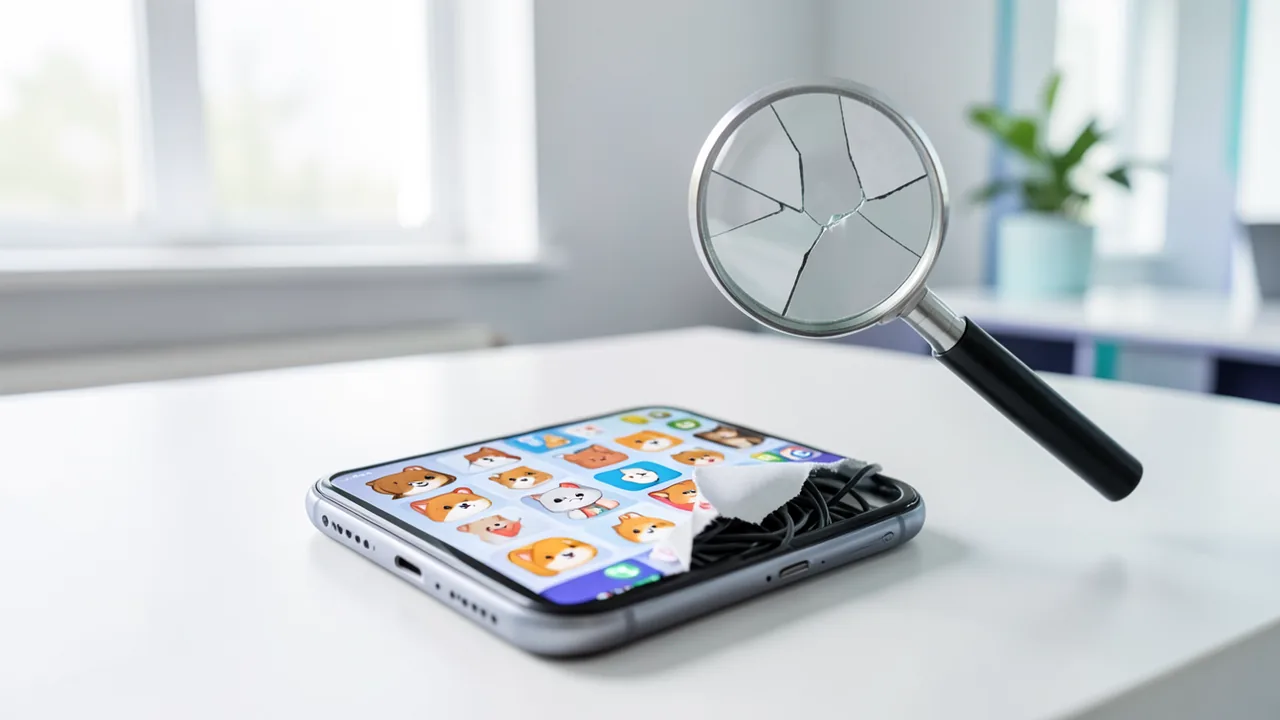
An investigation by Wired (author: Matt Burgess) describes a network of more than 400 linked domains and apps that look like ordinary AI tools but actually generate sexually abusive deepfakes. One example is the app Viefur, which poses as a "pet portrait" app. For about $4, you get 130 virtual coins that turn pet photos into "humanized" images, such as a hamster in swim trunks by a pool. According to Wired, that's just the cover. Other apps pose as a language course or an AI trainer.
Several researchers discovered the network by following links from thousands of video ads with explicit deepfake content on Facebook and Instagram. In the preceding months, Wired had reported that hundreds of these ads contained AI-generated child sexual abuse material (CSAM), including images of real children and of a member of a European royal family. The ads reached tens of thousands of people and triggered investigations by regulators worldwide.
How the disguise works
When you download the app, it sends a request to a server with details such as the user's origin, language and a unique identifier. The server replies whether to show the harmless or the explicit version. Researcher Paul Bouchaud of the organization AI Forensics, who reverse-engineered the code, says there is no clear list of triggers. But one of them appears to be installing the app after clicking a Meta ad.
The associated websites mostly show just a black screen; only the address then contains the word "risk". Behind it sits a web interface with dozens of pornographic photo and video templates, into which users can upload images of real people. Payment is made with "diamonds". According to Wired, the scenes include depictions of violence such as "bedroom rape" and "threatening knife".
The sites' JavaScript code also contains a configuration list for the entire network: domains, app package details, encryption keys and Facebook ad trackers. Maël Le Touz of the security company Infoblox used it to find nearly 500 linked domains: "They run on the same code and all point to each other."
Scale and timeline
Bouchaud's analysis of domain registrations shows that the apps began appearing in late 2025, peaking in spring 2026. At times, around 30 such app websites were registered per week. In September, 27 of them were on the Play Store, with more than 350,000 downloads combined, many rated suitable for all age groups. DiffAI, created in December 2025, reached over 100,000 downloads. One user review warned that the app contained templates for CSAM and did no age checks. Since the start of the year, Bouchaud has found tens of thousands of explicit deepfake ads with similar text on Meta's platforms. Danish journalists had already described parts of the network in September.
Chinese traces and KeLing Technology
According to Le Touz, the network uses exclusively Chinese hosting, the code is commented in Chinese, and videos in the ads carried watermarks from Chinese-language video editing software. The operators use generic privacy policies, Gmail and Outlook addresses and inconspicuous developer names; the ads ran under obviously fake names and on pages with no followers.
The Hong Kong company KeLing Technology Limited appears to be central: its name is listed as the contact on the first registered website, an admin login page mentions "Keling", and email addresses on the company's domain turned up in a removed app. In late September, the interface announced a new AI model called Veyra ("More real. More natural. More wild."); the Veyra AI site listed a KeLing address as its contact. No one responded to inquiries, but after Wired got in touch, public connections were apparently erased: social media channels were renamed and KeLing addresses removed.
"This is an organized, commercially run operation: one operator behind hundreds of disposable apps and domains," says Bouchaud. "They don't expect enforcement to catch up, and so far it hasn't."
Platform responses
Apple removed 19 apps, including Viefur. Spokesperson Adam Dema said the apps complied with the rules during review; only afterward did the developers swap out the website the app loads its content from (a "bait-and-switch"). Apple said it blocked tens of thousands of apps for such tactics last year and recently tightened its rules on "nudify" tools.
Google didn't respond to the inquiry but had already removed most of the apps, with DiffAI going shortly before Wired got in touch.
Meta says KeLing was banned from advertising in 2025 because the company failed to comply with a cease-and-desist letter; Meta did not disclose the letter. After Wired pointed to the 400+ domains, Meta identified more than 3,000 related ads, two-thirds of which had already been removed. Meta later reported action against 11,600 ad accounts, more than 4,700 business pages, 5,200 users and 15,000 pages, as well as a ban on 209 apps from advertising.
Katie Paul of the Tech Transparency Project, who uncovered the ads with underage victims, says the ads violated several Meta policies. The companies must explain where the money goes and how the operators keep getting around their safeguards.
Takeaway
The case exposes a weakness in app review: an app is checked at the time of approval, but web content loaded afterward can be swapped out or, via a server, shown only to select users. That keeps the abuse hidden from reviewers too. Add the advertising route through Meta, which apparently fed the network users for months. The platforms talk about strict rules, yet the network stayed active for about a year. Who exactly is behind it remains unclear: the link to KeLing rests on circumstantial evidence from domains and code, and the company has not commented. Revenue is also unknown. According to Wired, similar apps and ads kept appearing to the end, a sign that simply deleting individual apps does little.
Sources
- Techmeme wired.com
- Bing News (en-US) 9to5mac.com
Ask the AI assistant
Questions about this article, installation or background? Our assistant knows this page and runs on our own machine, not in someone else's cloud.
The Assistant is an AI (Gemma 4) and can make mistakes – please check important details against the source. Questions are used only to generate an answer and are deleted after one hour. Please don't enter any personal data.

Comments
What do you think? Already tried it? Write it here, no sign-up needed.
Comments are public. Links aren't allowed, and we delete abusive posts. You can delete your own comment at any time in this browser. Learn more in the Privacy Policy.