
Kling Image 4.0: Kuaishou's image model goes native 8K and fits up to 2,000 characters
Kuaishou, the Chinese company behind the short-video platform of the same name, has released Kling Image 4.0, a new generation of its image model. Kuaishou says it's the first version that renders images directly in 8K. It can also place up to 2,000 characters of clean text in a single image and turn one prompt into a series of up to ten matching images.
What's new
Late on November 17, 2026 (China time), Kuaishou, the Chinese company behind the short-video app of the same name, unveiled a new image model: Kling Image 4.0. Chinese tech site ITHome was first to report it. Kling is Kuaishou's AI brand and is best known for its video models. The new image model is live on the Kling platform now. Businesses and developers can also build it into their own software through an API (application programming interface).
Kuaishou isn't releasing the model weights. Kling Image 4.0 only runs on Kuaishou's own services, so you can't run it on your own machine.
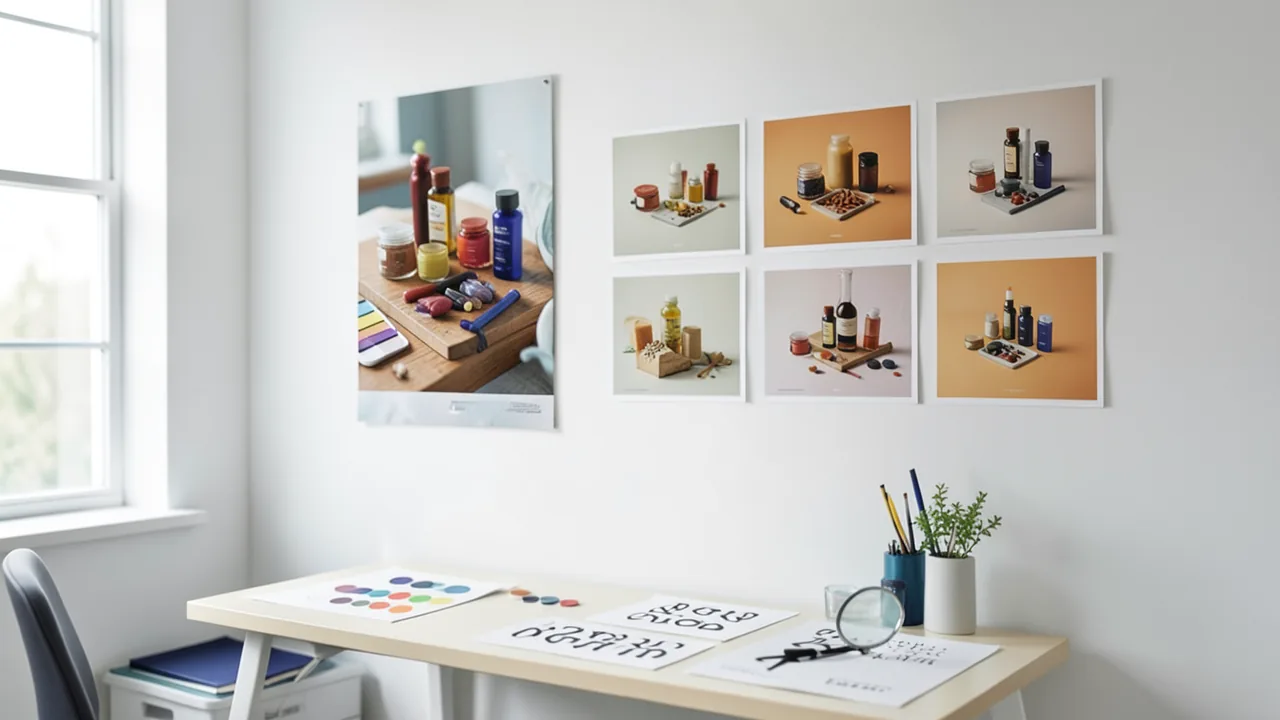
Kuaishou is pitching three headline features: more realistic images at native 8K resolution, far more legible text inside images, and coherent image series and long-format images from a single prompt.
One architecture for understanding and generation
Under the hood, Kuaishou uses what it calls a "unified understanding and generation" architecture. Many image generators are really two systems: a language model reads your prompt, and a separate image model paints the picture. Kling Image 4.0 is said to combine image understanding and image generation in one shared system. The goal is a model that better grasps what you actually want and follows it more closely. Other vendors are taking similar approaches. Kuaishou hasn't shared details of the architecture or the model's size.
That fits with the very long prompt limit of up to 15,000 tokens. A token is a word or part of a word, the unit a language model works in. 15,000 tokens is enough for a multi-page brief covering layout, copy, colors and image content.
Realism and native 8K
The first big upgrade is image quality. Kuaishou says the model factors in physical laws and knowledge of human perception while it generates. The aim is light, shadows, skin and material surfaces that look as natural as a photo straight out of the camera.
The model also generates images natively in 8K for the first time. That means the image is created at that high resolution (roughly 7680 × 4320 pixels) from the start, rather than rendered small and then enlarged. When you upscale, software invents the missing detail after the fact. With native generation, that detail is supposed to be right from the beginning. Kuaishou says this suits high-resolution presentations and leaves more room in post-production, for example if you only want to use a crop. There are no independent tests of the actual level of detail yet.
2,000 characters of text in one image
Text has long been a weak spot for image generators, with blurry letters and misspelled words. Kling Image 4.0 is said to render up to 2,000 characters in a single image. That figure refers to Chinese characters, so it doesn't translate one-to-one into 2,000 Latin letters. The model is also supposed to follow complex typography instructions more precisely, keeping small print legible and decorative text effects looking good. Kuaishou is clearly targeting posters, infographics, menus and text-heavy product images.
The model includes more than 70 fonts cleared for commercial use. You can also upload a reference image to guide the shape and style of the lettering. Supported languages are Simplified and Traditional Chinese, English, Japanese, Korean, Spanish and Portuguese. German isn't on the list. It's unclear whether German text and umlauts will still render reliably.
Image series, long images and style presets
The third feature is coherent image series. From a single prompt, the model generates up to 10 images. They all follow the same instructions and share a consistent style, but each one has its own focus. Kuaishou calls this "native agentic capabilities": the model plans the series itself, works out what you're trying to do, and spreads the content and emphasis across the images. Kuaishou's examples include storyboards for a story and product showcases.
Kling Image 4.0 can also create long-format images. In China, very tall, vertically scrolling graphics are standard on e-commerce product detail pages. Kuaishou says you can also lay out entire website mockups as one long image.
For mood, there are more than 110 preset looks that set color, contrast and lighting, much like filters in a photo app. If you want a specific mood, you can upload your own reference image and the model will copy its colors and lighting.
Background: the Kling 4.0 family
The image model arrives a month after the Kling 4.0 video model, which Kuaishou launched on October 15, 2026. According to the company, Kling 4.0 generates up to 30 seconds of continuous video at up to 4K with 10-bit HDR, meaning a wider range of color and brightness. It takes up to 15 references (images, videos, characters) and up to 10 keyframes. Keyframes are fixed moments you set, and the model fills in the action between them. Partners such as Perfect Corp.'s YouCam app have already integrated the video API.
A blog post on note.com points out, however, that as of mid-November Kling 4.0 hadn't yet appeared on any independent video model leaderboard. So most of what we know about its performance comes from Kuaishou. That's even more true of the new image model. It has only just launched, and there are no benchmarks or independent comparisons yet. ITHome also doesn't mention API pricing.
Our take
With Kling Image 4.0, Kuaishou is turning its AI brand from a video-only offering into a platform for both video and images. The features are clearly aimed at professionals: online retailers, ad agencies and designers who need lots of consistent, text-heavy images. Native 8K, lots of in-image text and image series from one prompt would make their work much easier, if they work reliably.
The competition is stiff. Google's image models, OpenAI's image generation and Chinese rivals like ByteDance's Seedream also promise strong text rendering and consistent characters across multiple images. Whether Kling actually leads the pack will only become clear after independent testing. Every figure so far, from 8K to 2,000 characters to "photorealism," comes from Kuaishou itself.
If you work in German, one point matters: German isn't among the officially supported languages for in-image text. If you want to create German posters or product images, test it yourself first. You can't try the model locally, because Kuaishou isn't releasing the weights.
Sources
- ITHome (CN) ithome.com
- note.com note.com
- finance.yahoo.com finance.yahoo.com
- markets.ft.com markets.ft.com
Ask the AI assistant
Questions about this article, installation or background? Our assistant knows this page and runs on our own machine, not in someone else's cloud.
The Assistant is an AI (Gemma 4) and can make mistakes – please check important details against the source. Questions are used only to generate an answer and are deleted after one hour. Please don't enter any personal data.


Comments
What do you think? Already tried it? Write it here, no sign-up needed.
Comments are public. Links aren't allowed, and we delete abusive posts. You can delete your own comment at any time in this browser. Learn more in the Privacy Policy.